Nov 21, 2026 · Shrink Film & Sourcing Guides
PVC & PETG Shrink Sleeve Film Guide for Beverage Bottles & Food Jars
Full-Body Sleeves and Tamper-Evident Bands
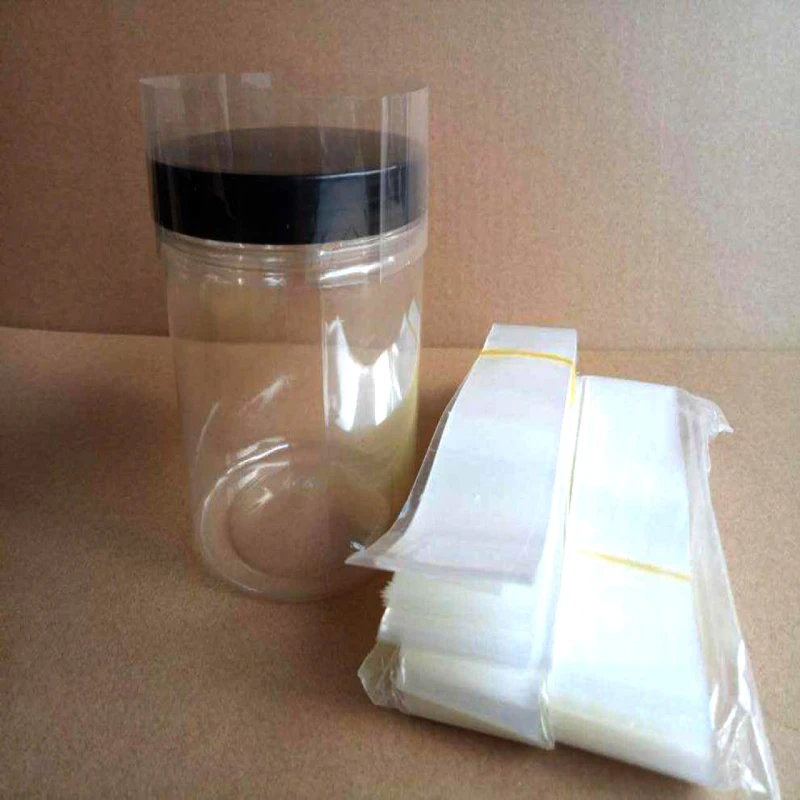
Shrink sleeve labels allow beverage bottlers, dairy processors, and condiment packers to achieve 360-degree graphics across complex bottle shapes while adding tamper-evident neck protection in a single pass. Unlike standard overwrap films that shrink evenly in both directions, shrink sleeve films are engineered with controlled directional shrink—primarily across the transverse direction (TD) so the sleeve hugs the bottle circumference without distorting vertical artwork or pulling up off the base.
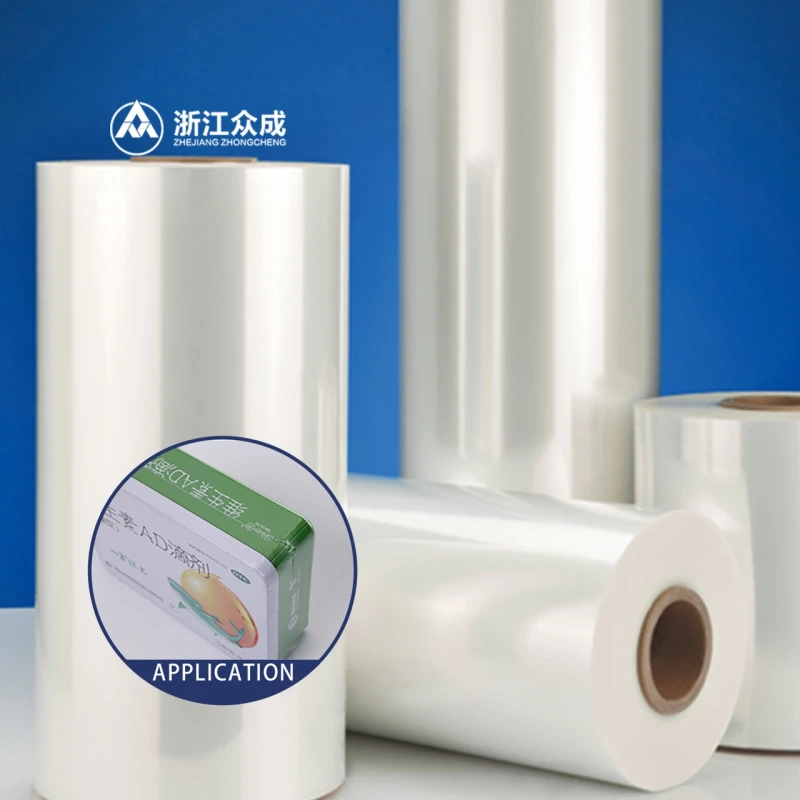
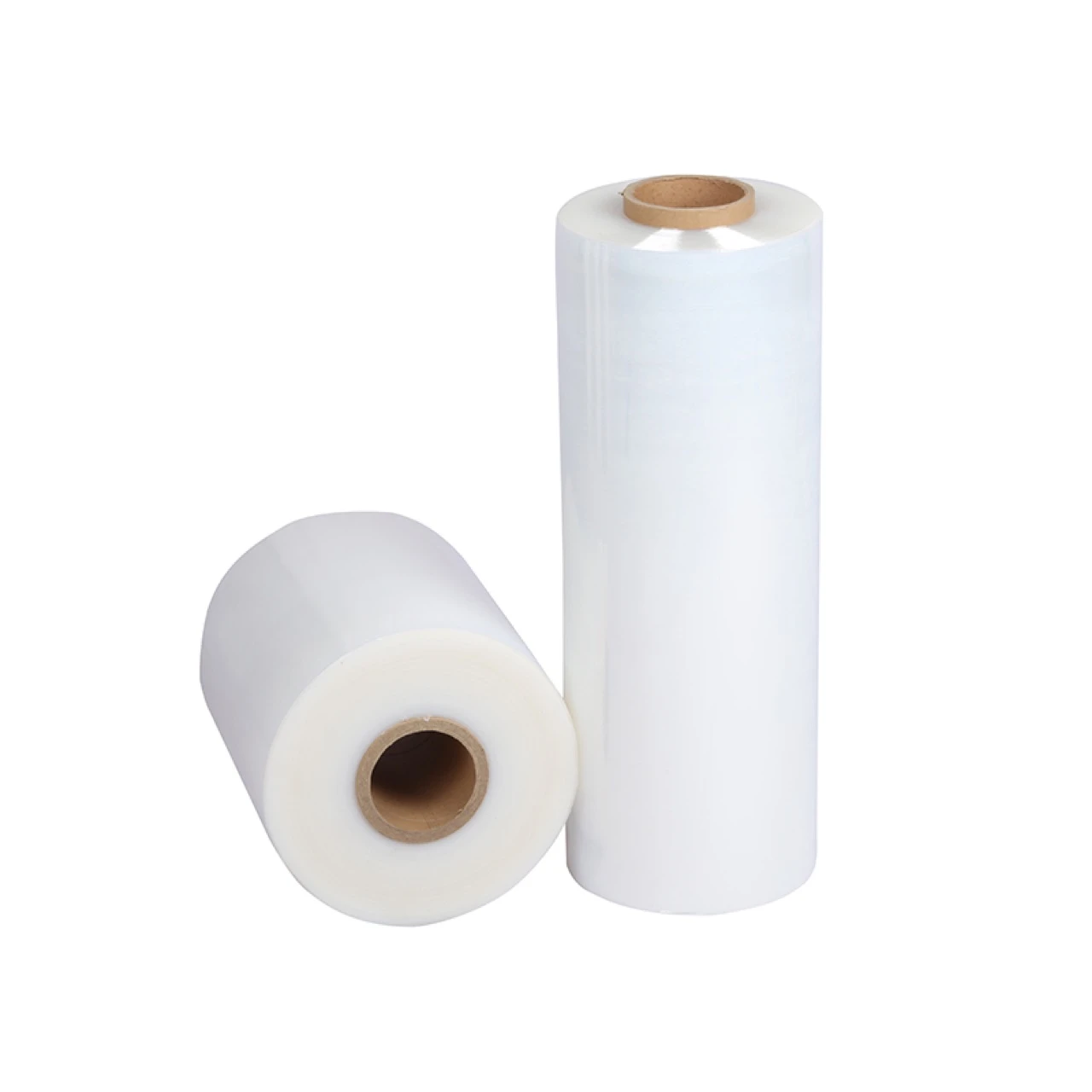
When sourcing rollstock from our PVC and PETG shrink film lineup, converters and bottlers must evaluate shrink curves, container geometry, and warehouse climate conditions together.
Understanding TD vs. MD Shrink Percentages
Every shrink sleeve specification hinges on two numbers measured in a standardized hot-water or hot-air bath test: transverse direction (TD) shrink and machine direction (MD) shrink.
- TD (Transverse Direction) Shrink: The percentage the film contracts around the circumference of the container. Standard PVC sleeve grades typically deliver 45% to 58% TD shrink, whereas specialized PETG grades achieve 65% to 78% TD shrink.
- MD (Machine Direction) Shrink: The percentage the film contracts vertically along the height of the bottle. Good sleeve films keep MD shrink strictly controlled—ideally between -2% and +5%—so barcodes, nutrition panels, and brand logos do not warp or smile upward at the bottle heel.
To calculate required TD shrink on a contoured bottle, measure the widest diameter (usually the body or shoulder) and the narrowest diameter the sleeve must grip (often the neck or waist). Divide the diameter difference by the widest diameter to find the minimum shrink percentage needed, then add a 5% to 8% safety margin for seam overlap and tunnel variation.
PVC vs. PETG Sleeve Film Comparison
| Technical Factor | PVC Shrink Sleeve Film | PETG Shrink Sleeve Film |
|---|---|---|
| Maximum TD Shrink | 45% to 58% | 65% to 78% |
| MD Shrink Control | 0% to +5% | -2% to +4% |
| Common Thickness | 35 to 50 microns | 40 to 50 microns |
| Container Geometry Fit | Straight-walled jars, mild tapers, tamper bands | Deep curves, hourglass bottles, narrow-neck flasks |
| Shrink Initiation Temp | Starts around 65°C–70°C | Starts around 60°C–65°C (gradual curve) |
| Recycling & Regional Rules | Restricted in some retail recycling streams | Widely preferred for PET bottle recycling compatibility |
| Impact Strength in Cold Chain | Can crack under drop impact below 0°C | High toughness and scuff resistance in chilled distribution |
Contoured Bottles vs. Neck Tamper Bands
Not every application requires high-shrink PETG. For cylindrical glass sauce jars, spice bottles, or flat-walled HDPE jugs where the diameter changes by less than 35%, 40-micron or 45-micron PVC sleeve film provides crisp solvent-seamed layflat tubing and smooth shrinkage inside steam or electric tunnels. PVC is also widely used for perforated neck tamper-evident bands on pharmaceutical bottles, olive oil caps, and bottled water.
Conversely, when a sleeve must pass over a wide shoulder and shrink tightly onto a narrow cap neck—or conform to wasp-waisted energy drink cans and contoured dairy bottles—PETG is the safer engineering choice. Its higher TD shrink ratio and gradual shrink curve prevent "crease smiles" and edge lifting under steam heat.
Steam vs. Hot-Air Shrink Tunnel Selection
Matching the sleeve film to the plant's tunnel heating method prevents wrinkled graphics and uneven seam tension:
- Steam tunnels: Saturated steam transfers heat rapidly and uniformly around 360 degrees, making it the preferred method for full-body PETG sleeves on contoured beverage bottles and cold-filled containers that act as heat sinks.
- Electric hot-air or radiant tunnels: Dry-heat tunnels are widely used for neck tamper bands, cap seals, and straight-sided food jars. Because radiant lamps can overheat thin areas before thicker bottle bases shrink, PVC or lower-initiation PETG grades run most predictably when multi-zone blowers keep air velocity balanced.
Storage and Transit Temperature Tips
Shrink sleeve film is pre-stretched during extrusion, which means thermal energy stored in the web can release prematurely if rolls sit in hot containers or unventilated warehouses.
- Keep storage below 25°C–30°C: Avoid stacking PVC or PETG rolls near metal warehouse roofs, boiler rooms, or direct sunlight.
- Acclimate before printing or seaming: Allow cold pallets to reach pressroom temperature for 24 hours before running solvent seaming or gravure/flexo printing.
- Specify insulated or ventilated container loading: For long ocean routes crossing tropical waters, request heat-shielded pallet wrapping or reefer/insulated transit options during peak summer months.
Whether you are a label converter ordering master jumbo rolls or a bottler sourcing pre-cut tamper bands, contact Sharpen Film with your bottle drawing, layflat width, and tunnel type (steam vs. hot air) so we can match the right shrink curve.
Looking for a supplier?
Send us your requirements and we will reply with a quotation.