Nov 19, 2026 · Shrink Film & Sourcing Guides
POF vs. PVC vs. PE Shrink Film: Choosing the Right Heat Shrink Material
Understanding Heat Shrink Polymer Families
Selecting the wrong shrink film causes frequent line jams, split seals, distorted product shapes, or excessive packaging waste. In industrial and retail distribution, three polymer families cover the majority of heat-shrinkable overwrap and collation needs: polyolefin (POF), polyvinyl chloride (PVC), and polyethylene (PE). Each resin behaves differently inside sealing jaws and heat tunnels, so matching the film structure to the product weight, edge geometry, and tunnel equipment is essential before placing an order.
While distributors often stock multiple gauges to serve diverse downstream accounts, understanding the mechanical and thermal boundaries of each material prevents costly specification mismatches. Below is a practical comparison for buyers evaluating POF shrink film, PVC shrink film, and heavy-duty PE bundling films.
Side-by-Side Technical Comparison
The table below summarizes standard performance parameters across standard biaxially oriented POF, rigid-to-semi-rigid PVC overwrap, and low-density PE shrink bundling film.
| Property | POF Shrink Film | PVC Shrink Film | PE Shrink Film |
|---|---|---|---|
| Typical Thickness | 12 to 25 microns (48 to 100 gauge) | 15 to 30 microns (60 to 120 gauge) | 35 to 120 microns (140 to 480 gauge) |
| Free Shrink Ratio | 50% to 75% (balanced MD/TD) | 40% to 55% (tunable MD/TD) | 50% to 70% MD / 15% to 35% TD |
| Optical Clarity & Gloss | High clarity, low haze, high gloss | Very high clarity, crisp surface | Translucent to hazy, semi-gloss |
| Puncture & Tear Strength | High puncture resistance, tough | Brittle in cold temperatures, low tear resistance after nicking | Very high load retention and impact strength |
| Seal Temperature Range | 160°C to 200°C (impulse or hot knife) | 115°C to 145°C (lower sealing heat) | 140°C to 180°C (wide constant-heat bar) |
| Tunnel Temperature Range | 140°C to 180°C | 100°C to 135°C | 170°C to 220°C |
| Odor & Fumes on Sealing | Minimal odor, no corrosive gas | Releases acidic vapor if overheated; requires ventilation | Mild wax-like odor during sealing |
| Typical Applications | Food cartons, cosmetics, stationery, multipacks, electronics | CD/DVD boxes, promotional gift sets, neck bands, light cartons | Beverage case multipacks, canned goods, timber, heavy hardware |
When to Choose POF Shrink Film
Multi-layer co-extruded POF is the standard replacement for older PVC overwrap lines in food, bakery, personal care, and consumer goods packaging. Because POF retains flexibility down to sub-zero warehouse conditions, wrapped cartons resist cracking during cold-chain transit. Its balanced biaxial shrink pulls corners tight without crushing thin folding cartons.
- High puncture tolerance: Sharp carton corners or irregular shapes rarely tear the web inside the heat tunnel.
- Clean sealing operation: POF does not carbonize rapidly on hot-knife or L-bar wires when temperatures are calibrated properly, reducing blade cleaning downtime.
- Thin-gauge yield advantage: A 15-micron POF roll delivers high linear yield per kilogram due to lower resin density (approximately 0.92 g/cm³ compared with roughly 1.35 g/cm³ for PVC).
When PVC Shrink Film Still Makes Sense
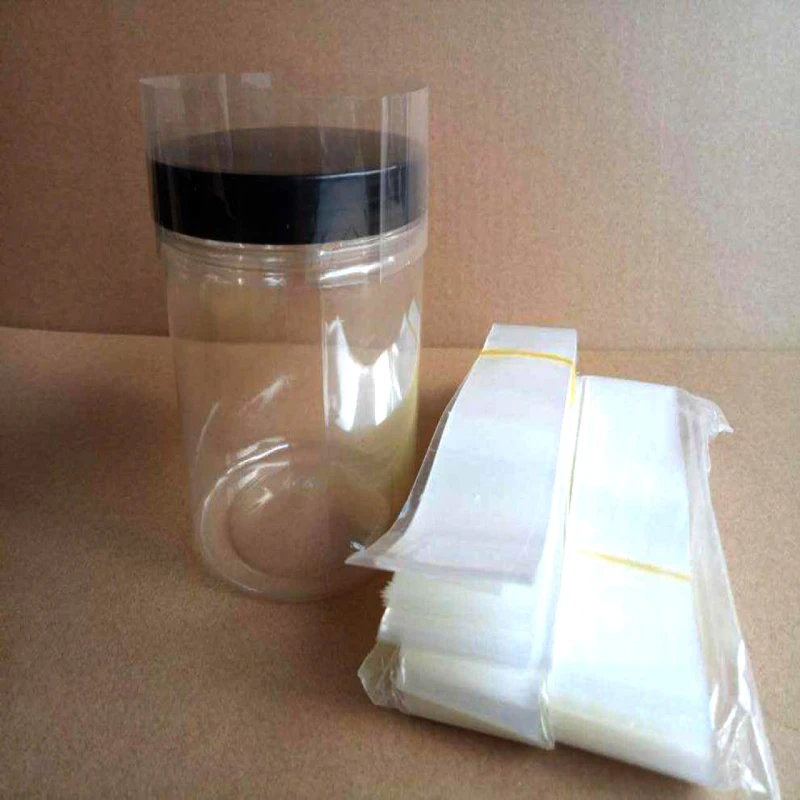
Despite the broad shift toward polyolefin, PVC shrink film remains relevant in specific converting and packaging environments. PVC shrinks cleanly at lower tunnel temperatures, which protects heat-sensitive items such as chocolate boxes, candles, or thin blister cards. It also maintains high stiffness on older semi-automatic L-sealers that lack precise air-knife web control.
However, buyers must account for two operational constraints: PVC becomes brittle in cold storage and requires adequate exhaust ventilation above sealing bars. When ambient warehouse temperatures exceed 30°C during ocean transit or summer storage, unconditioned PVC rolls can pre-shrink slightly if stacked near container roofs.
Where PE Shrink Film Dominates
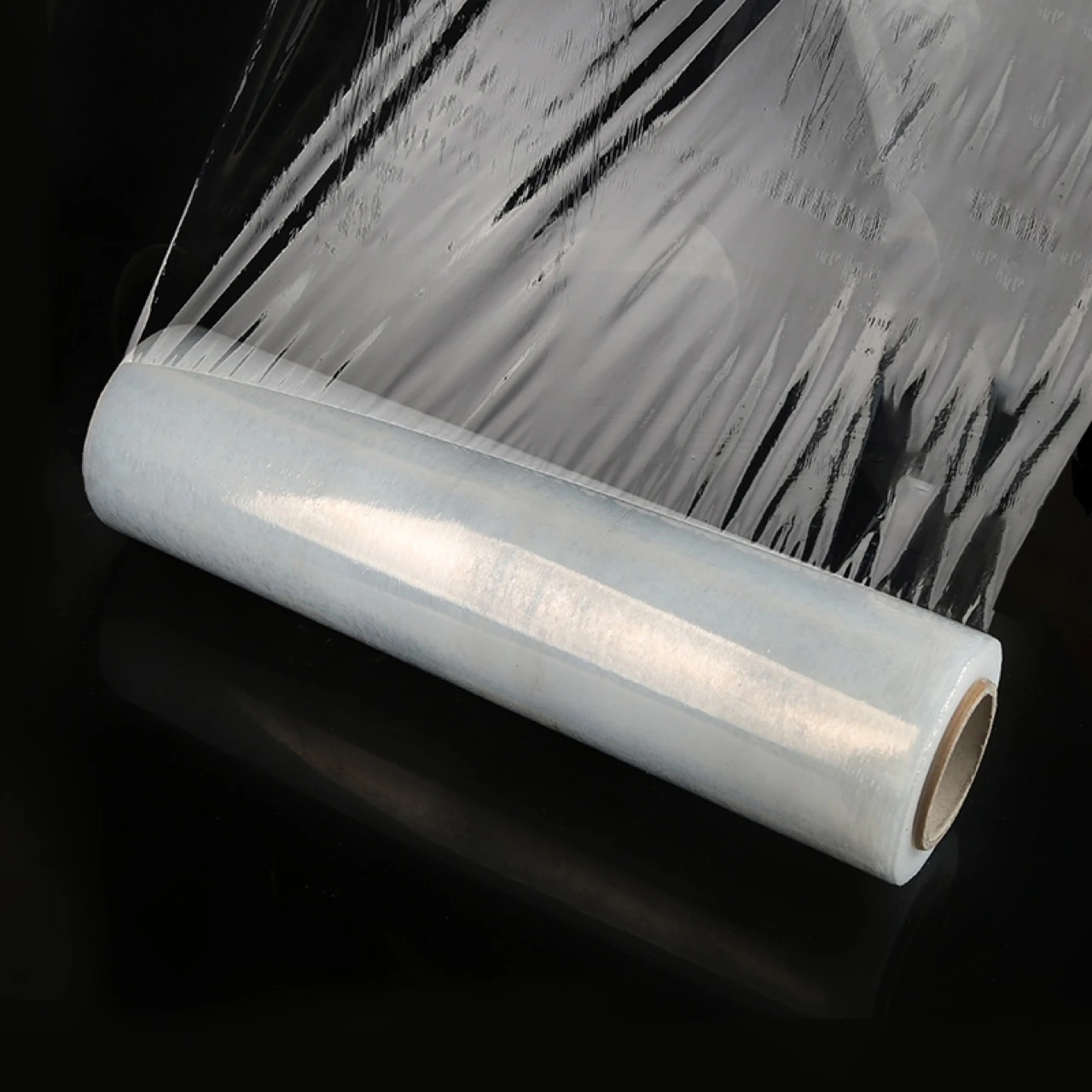
Polyethylene shrink film—typically formulated from LDPE or LLDPE blends—is engineered for heavy collation rather than tight retail display. Unlike POF and PVC, PE film is much thicker and relies on high longitudinal (machine direction) shrink force to lock 6-pack, 12-pack, or 24-pack beverage trays and canned goods together. Because its haze is higher, PE is selected for transit bundling, printed outer packs, and industrial components where load holding force outweighs crystal-clear shelf appearance.
Checklist Before Requesting Samples
Before finalizing a specification with your supplier, confirm three machine parameters on your customer's packaging floor:
- Sealer type: Manual L-bar, semi-automatic sealer, continuous side-sealer, or sleeve wrapper with bull's-eye opening.
- Tunnel dwell time and airflow: Higher line speeds require faster shrink initiation or higher tunnel heat capacity.
- Package weight and edge profile: Lightweight retail cartons suit 12–15 micron POF or 15–20 micron PVC, while heavy multipacks require thicker cross-linked POF or 50–80 micron PE.
If you are matching an existing film sample or setting up a mixed container for distribution, contact our export technical team with your sealer type, roll width, and target micron gauge for sample evaluation.
Looking for a supplier?
Send us your requirements and we will reply with a quotation.