Nov 16, 2026 · Stretch Film Guides
Hand Stretch Film vs. Machine Stretch Film: Specs & Cost Breakdown
Core Structural Differences Between Hand and Machine Film
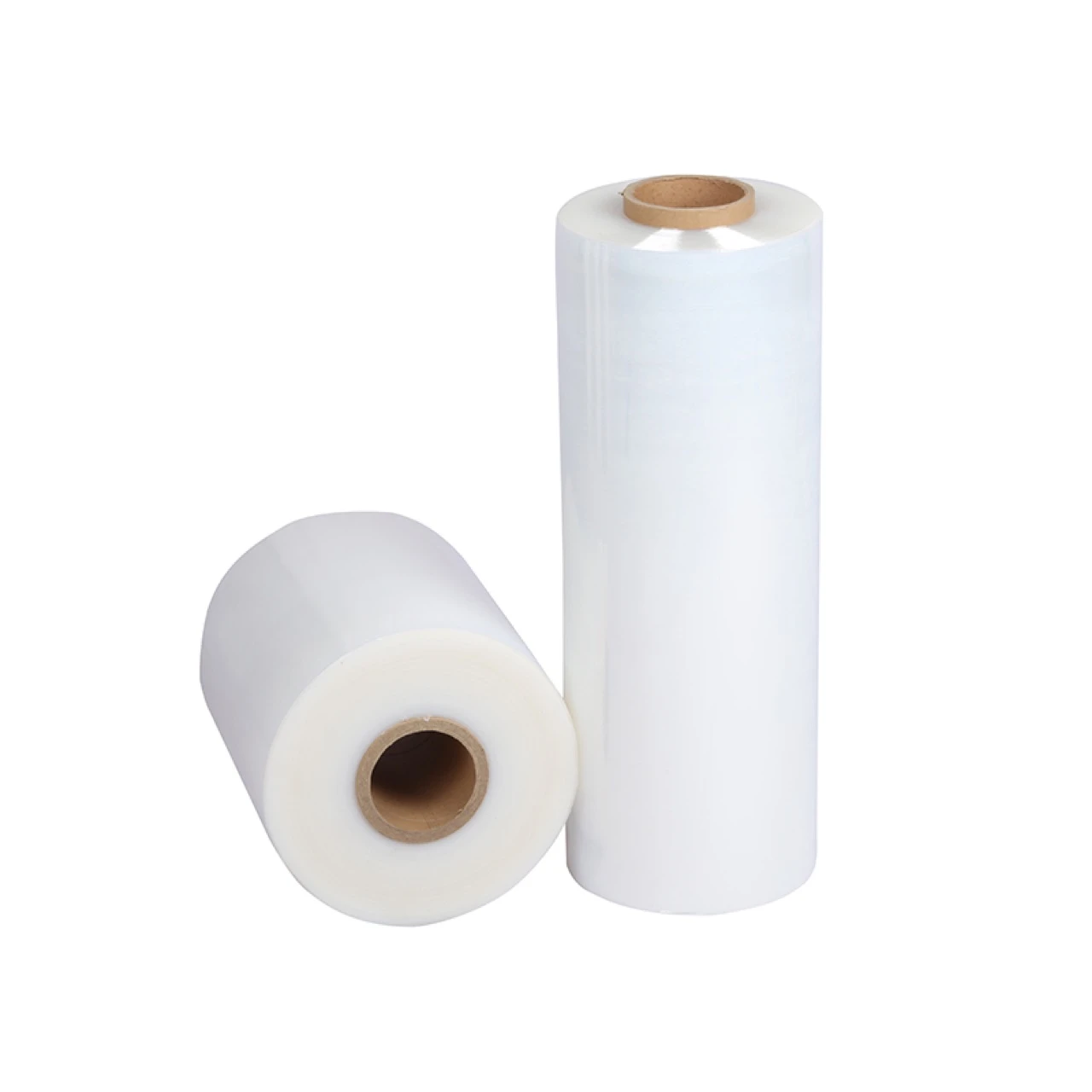
Although hand wrap and machine wrap are both made from LLDPE, they are not interchangeable. Hand film is formulated to stretch easily under human arm strength and resist neck-down when pulled manually around pallet corners. Machine film is engineered for high mechanical torque, powered pre-stretch rollers, and sustained tension without snapping.
Putting a machine roll onto a manual dispenser exhausts operators within minutes because the roll is far too heavy and stiff to draw properly. Conversely, mounting a light hand roll onto a powered turntable wrapper wastes material because the film cannot withstand 200%+ pre-stretch ratios without frequent web breaks.
Technical Specification Comparison
Evaluating roll dimensions, core standards, and stretch capacity side by side clarifies why each format serves a distinct operational tier.
| Specification | Hand Stretch Film | Machine Stretch Film |
|---|---|---|
| Typical Roll Weight | 1.5 kg to 5 kg (manageable for manual holding) | 12 kg to 18 kg (standard 15 kg roll for wrapper carriages) |
| Standard Roll Width | 300 mm, 400 mm, 450 mm, 500 mm | 450 mm, 500 mm (18–20 in); custom up to 1,000 mm+ |
| Core Inner Diameter | 38 mm, 50 mm, or 76 mm (1.5–3 in) | 76 mm (3 in) heavy-duty cardboard core |
| Typical Roll Length | 150 m to 450 m per roll | 1,000 m to 2,200 m+ per roll |
| Thickness Range | 12 um to 30 um (or 8–12 um pre-stretched) | 15 um to 35 um |
| Practical Elongation | 50% to 100% under manual pull | 150% to 300% on power pre-stretch carriages |
Material Consumption and Labor Breakdown
When B2B buyers evaluate wrap efficiency, focusing only on roll weight misses the true metric: film grams consumed per wrapped pallet and operator minutes per load.
Elongation Yield per Kilogram
Because manual operators rarely pull conventional hand stretch film past 60–80% stretch, a high portion of the film remains unstretched on the pallet. By contrast, a calibrated power pre-stretch carriage on machine stretch film elongates every meter by 200% to 250% before it touches the cartons. Stretching film to 200% triples its effective length, cutting the film mass needed per pallet by roughly 35% to 50% while applying tighter, more uniform containment force.
Operator Fatigue and Consistency
Hand wrapping a full pallet typically takes an operator two to four minutes of bending, walking, and pulling. As fatigue sets in late in a shift, top wraps stay tight while bottom anchor wraps loosen—creating the exact failure point where loads slide off pallet decks during forklift braking. Automated wrappers repeat the exact bottom-to-top wrap pattern, overlap percentage, and tension profile on every pallet, freeing staff for higher-value picking and loading work.
Roll Changeover and Scrap Waste
A 3 kg hand roll wraps a fraction of the pallets covered by a 15 kg machine roll. Fewer roll changeovers mean less downtime, fewer cardboard cores to dispose of, and less film tailing scrap left on warehouse floors.
Practical Thresholds: When to Switch to Machine Wrap
Not every facility needs a turntable or orbital wrapper immediately. Use these operational signals to decide whether to stay manual, adopt pre-stretched hand rolls, or transition to machine film:
- Daily Pallet Volume: Facilities wrapping fewer than 10–15 pallets per day usually remain well served by manual wrap or pre-stretched hand rolls, which deliver thinner gauge yield without machine capital outlay.
- Scale-Up Threshold: Once throughput exceeds 20–30 pallets per day, material savings from power pre-stretch and reduced labor hours typically justify an entry-level semi-automatic turntable wrapper.
- Load Damage Claims: Frequent shifted loads or inconsistent bottom anchoring indicate manual tension variability that mechanical wrapping resolves.
- Shift Ergonomics: High worker turnover or strain complaints from wrapping tall pallets point toward either lighter pre-stretched hand rolls or automated wrapping.
Checklist for Matching Rolls to Existing Equipment
Core and Outer Diameter Limits
Confirm your wrapper's spindle accepts standard 76 mm cores and check maximum roll outer diameter clearance inside the film carriage before ordering jumbo lengths. Oversized outer diameters can rub against dancer rollers or trigger carriage jams on compact semi-automatic wrappers.
Pre-Stretch Carriage Settings and Wrap Force
Friction-brake carriages stretch film directly against the load (typically 80–120% stretch) and perform better with thicker 20–23 um films, whereas dual-roller power pre-stretch carriages handle 15–17 um high-elongation machine grades cleanly. Always verify bottom-layer roping and top-cap overlap settings whenever changing film gauge so containment force stays uniform across shifts.
Send your daily pallet count and equipment specs through our contact page if you need guidance matching hand or machine roll configurations for your facility.
Looking for a supplier?
Send us your requirements and we will reply with a quotation.